Applications & Technology Trends in Lift Trucks
Advancements in lithium battery technology are helping to meet the increased duty cycle needs of the material handling market. Despite varying opinions on market penetration, lithium energy storage systems hold a significant market share, increasingly replacing lead-acid batteries. They are gaining traction due to their reduced total cost of ownership, driven by:
- The downward pressure on acquisition costs
- Increased energy capacity
- Faster charge times
- Improved electrical efficiency
- Enhanced operator safety
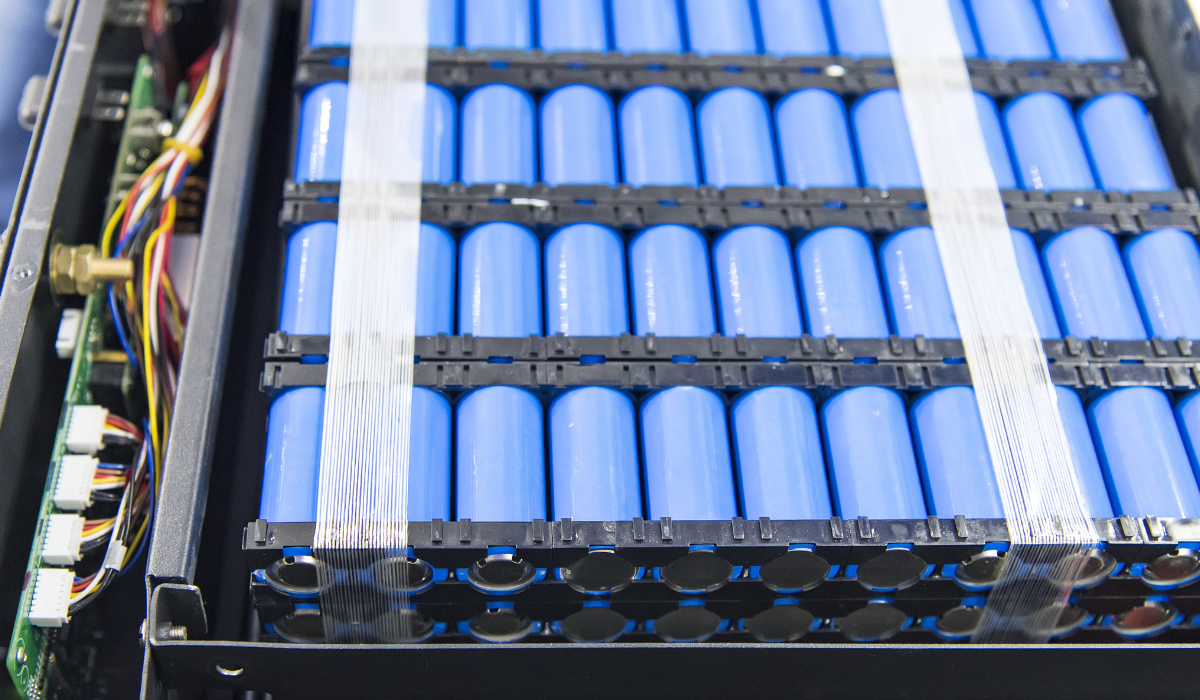
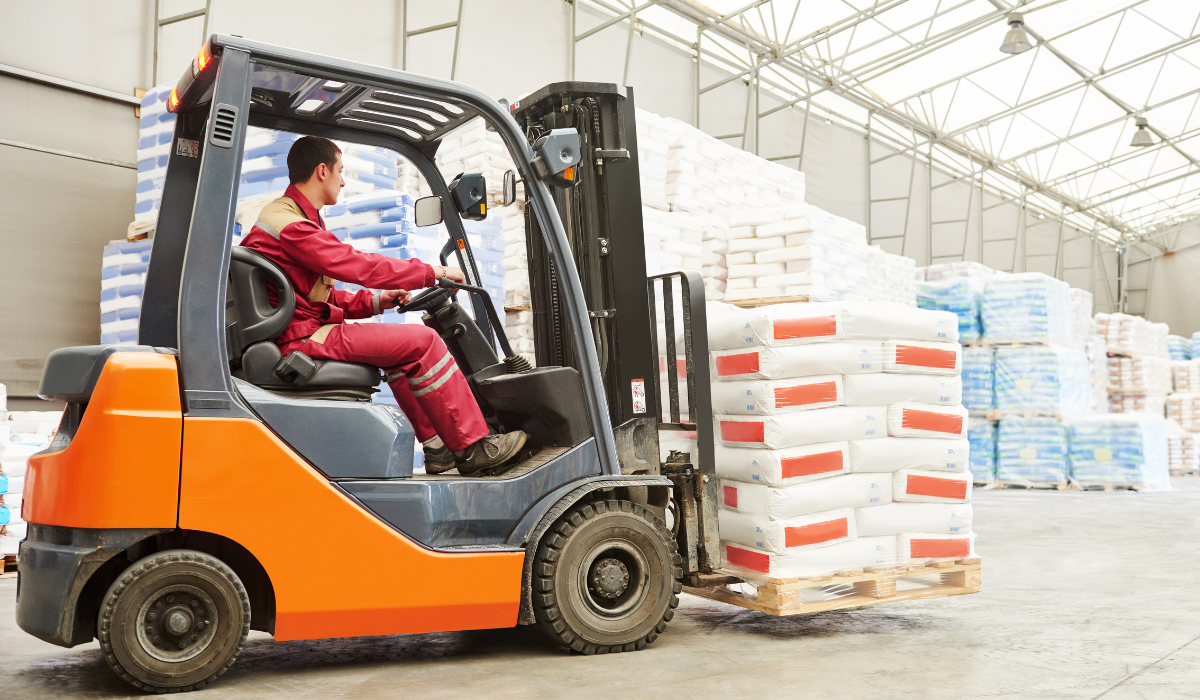
Rental fleet owners observed that accessories, including off-board chargers, were often lost when trucks were returned. On-board chargers address this issue, driven by the 'drive and charge anywhere' concept and the need for less maintenance. High-energy lithium batteries and on-board chargers boost efficiency in warehouse operations, simplifying the management and deployment of rental fleets.
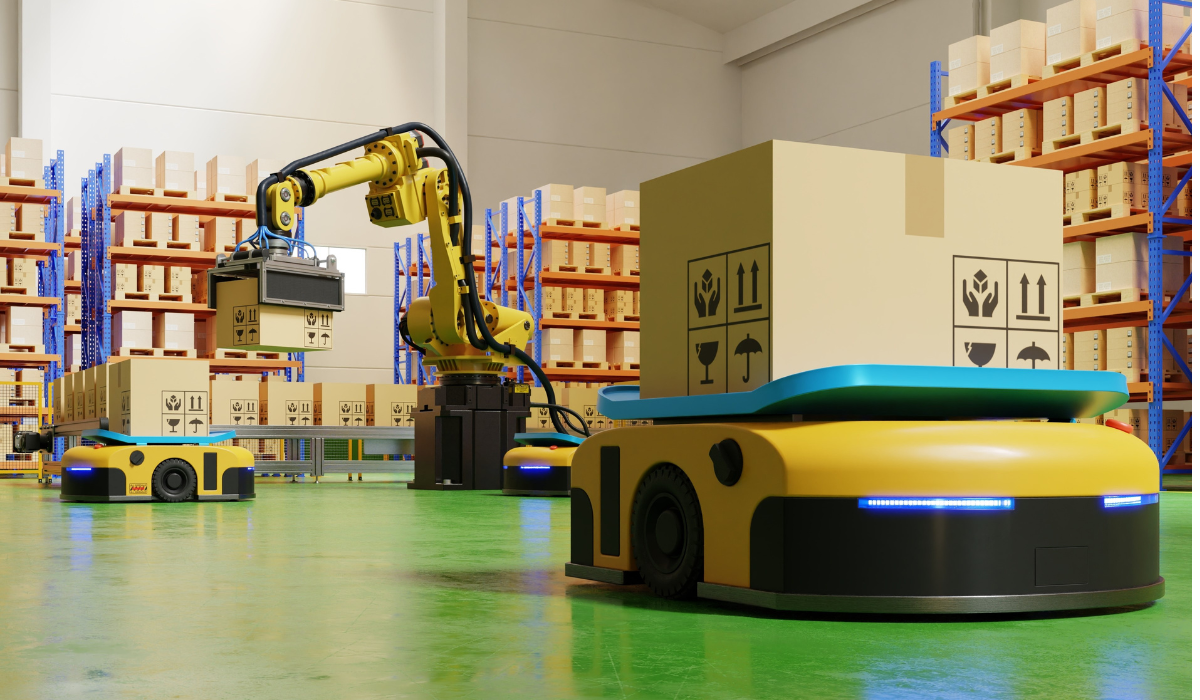
Demand for productivity and scarce labor availability are driving the development and deployment of autonomous mobile robot (AMR) and automated guided vehicle (AGV) solutions. These technologies work alongside human resources to increase productivity or create fully automated warehouses that can operate without human intervention.
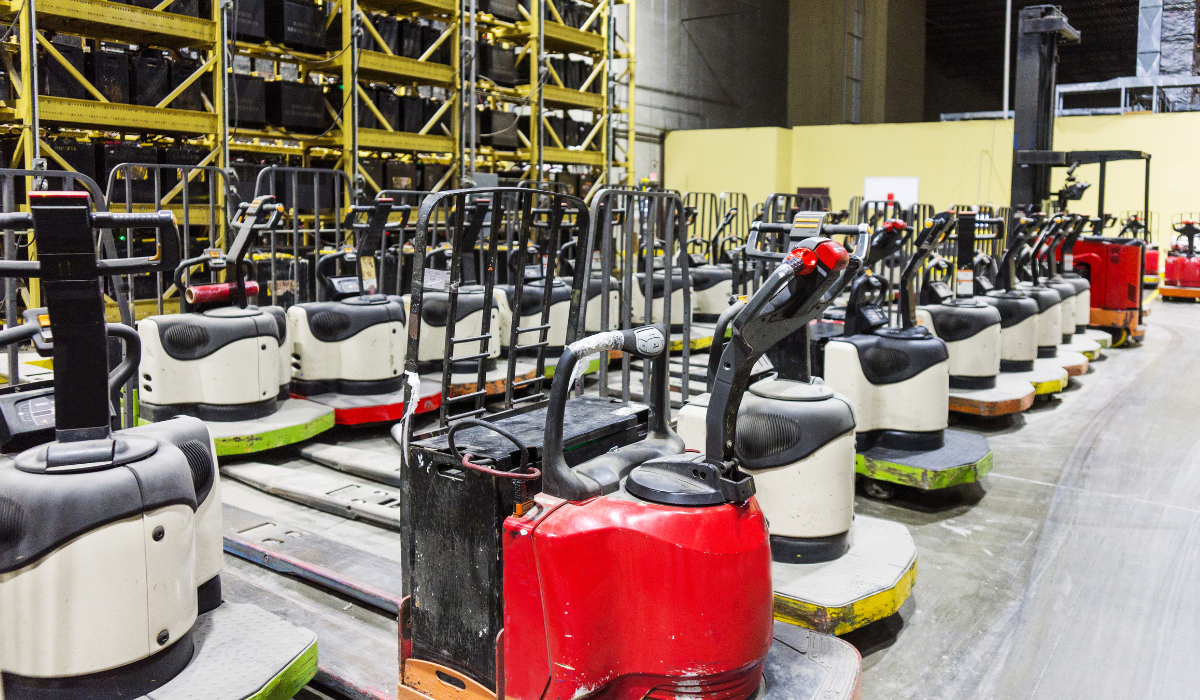
Businesses are now moving from owning equipment to renting and leasing. This model provides more flexibility and reduces the financial burden of long-term ownership. As a result, battery charger suppliers, OEMs, and rental companies are partnering together to offer customized charging solutions that meet the changing needs of the rental and leasing markets.
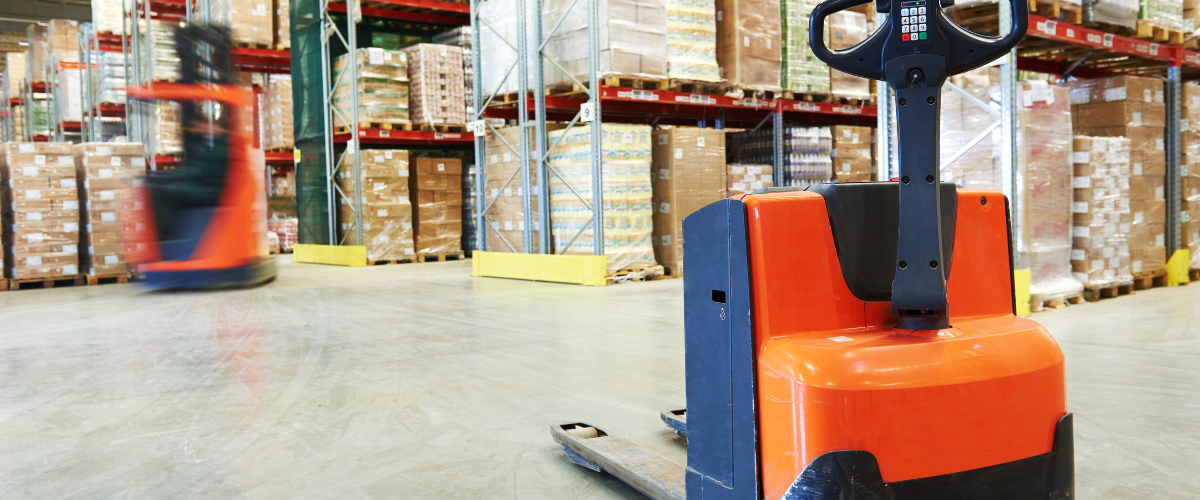
Shifts in consumer buying patterns towards online shopping and rising space costs require increased productivity from every warehouse area. Low lifters, pallet stackers, reach trucks, and heavy trucks now operate on a 24-hour cycle, extending beyond the traditional 8-hour shift. This calls for increased automation and advanced technological integration in material handling equipment, which is essential for efficient maintenance.
Regulatory & Sustainability Trends
Regulations are steering the material handling industry towards zero emissions and sustainability, influencing forklift usage and increasing demand for eco-friendly solutions. Companies are adopting sustainable practices to reduce environmental impact and ensure product longevity.

Regulations from bodies like the California Energy Commission (CEC) are enforcing energy efficiency and zero-emission standards, particularly impacting material handling equipment. This includes the Appliance Energy Efficiency Standards for appliances sold in California, which sets minimum operating efficiency and other cost-effective measures to promote energy- and water-efficient appliances.
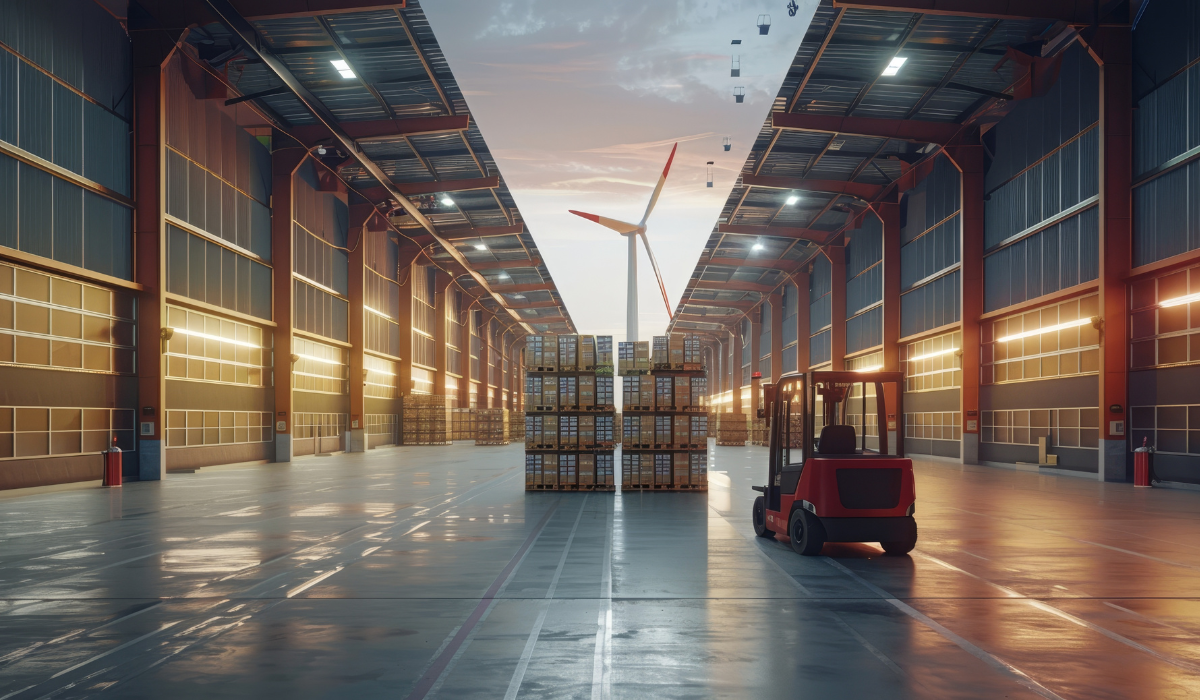
Several countries and regions are enforcing strict regulations aimed at transitioning the material handling industry to zero emissions. One recent example is the approval of the Zero Emission Forklift Regulation by the California Air Resources Board (CARB) in June 2024. This regulation requires phasing out forklifts that use spark ignition engines, like propane and gasoline, to help California lower its emissions of pollutants and greenhouse gases.

Environmental, social, and governance (ESG) factors are crucial in the material handling industry. End-users prioritize carbon footprint, energy efficiency, and equipment lifespan, alongside performance, quality, and price. This shift is driving companies to focus on eco-friendly and sustainable solutions. By adopting advanced technologies, businesses aim to minimize environmental impact, promote long-term sustainability, reduce waste, and extend equipment lifespan.
Must-Read White Papers
Lithium Batteries & On-Board Charging in Lift Trucks
Learn about lithium battery system design, the value of on-board charging, designing for charger reliability, and more.
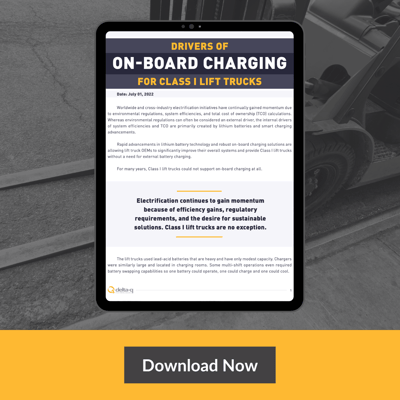
Drivers of On-board Charging for Class I Lift Trucks
Now that Class I lift trucks support on-board charging, discover the drivers, benefits, and challenges of electrification.
Charging System Options
.svg "On-Board Icon 1 (2)")
.svg "Off-Board Icon 1 (1)")
.svg "Hybrid Icon 1 (2)")
/DeltaQ_ZAPI%20(3).png?width=400&height=185&name=DeltaQ_ZAPI%20(3).png "DeltaQ_ZAPI (3)")
.png?width=350&height=160&name=Zivan_subbrand_no%20tagline_1%20(2).png "Zivan_subbrand_no tagline_1 (2)")
ZAPI GROUP Charging Solutions
As part of the ZAPI GROUP, Delta-Q Technologies and ZIVAN offer a wide range of charging solutions from 350 W to 36 kW for various markets, including material handling, mobile elevated work platforms, e-mobility, floor care, utility/recreational vehicles (electric golf cars), outdoor power equipment, agriculture, and construction. The comprehensive range of battery chargers under the Delta-Q and ZIVAN product brands are designed for easy integration with other ZAPI GROUP solutions and their battery partner network.
We are recognized for our extensive expertise in systems and applications, worldwide manufacturing and logistics, global regulatory compliance, and multi-industry OEM support. Our agility in meeting customers' evolving needs makes us the top choice for charging solutions.
Our Customers




Our Battery Compatibility Programs
Optimize industrial machines and equipment with the Charged by Delta-Q program, which offers tailored battery and charger combinations, reducing development and deployment risks. Our expert-validated partnerships ensure seamless integration for lead-acid and lithium batteries.
.png?width=1600&height=900&name=Lift%20Truck%20landing%20page%20CBDQT%20logos%20(3).png "Lift Truck landing page CBDQT logos (3)")